
Tips to Properly Use a Steam Iron

With a steam iron, you can neatly press your clothes or remove their wrinkles within a few minutes. However, it is important for you to use the appliance properly because the wrong temperature, incorrect technique, or excessive steam can damage some fabrics. Whether you have to iron a hard fabric or a soft one, you should follow some steps so that your iron and garment can remain intact when you’re done with ironing. And, in today’s blog post, you will learn how to use a steam iron properly so that you can manage ironing without any issues with the pressing results you require.
(Important Note:
I am a Daraz affiliate, and I also intend to become an eBay affiliate. So, I can earn a commission if a user clicks my website’s affiliate product link and purchases the product — without any additional cost for them.)
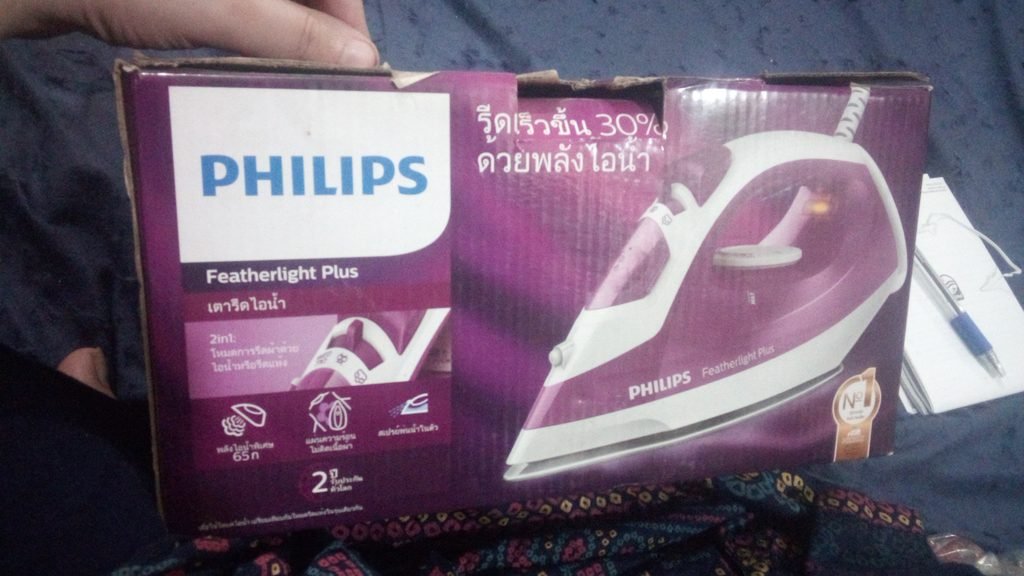
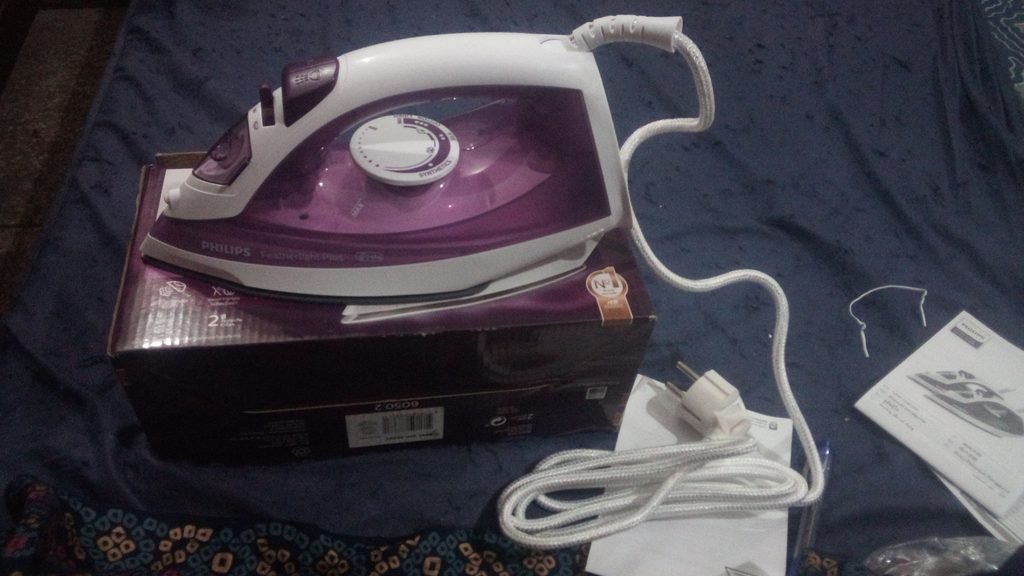
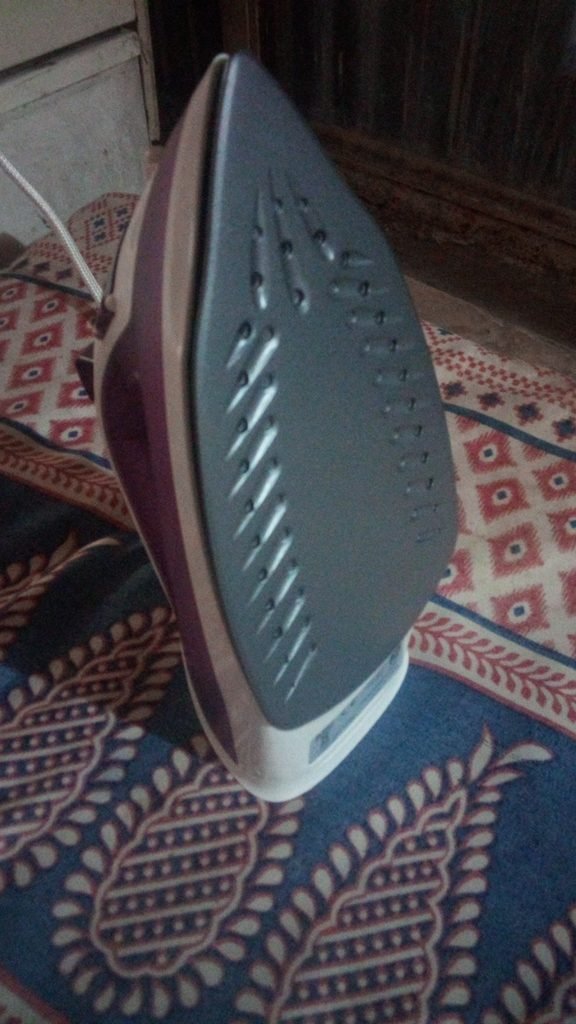
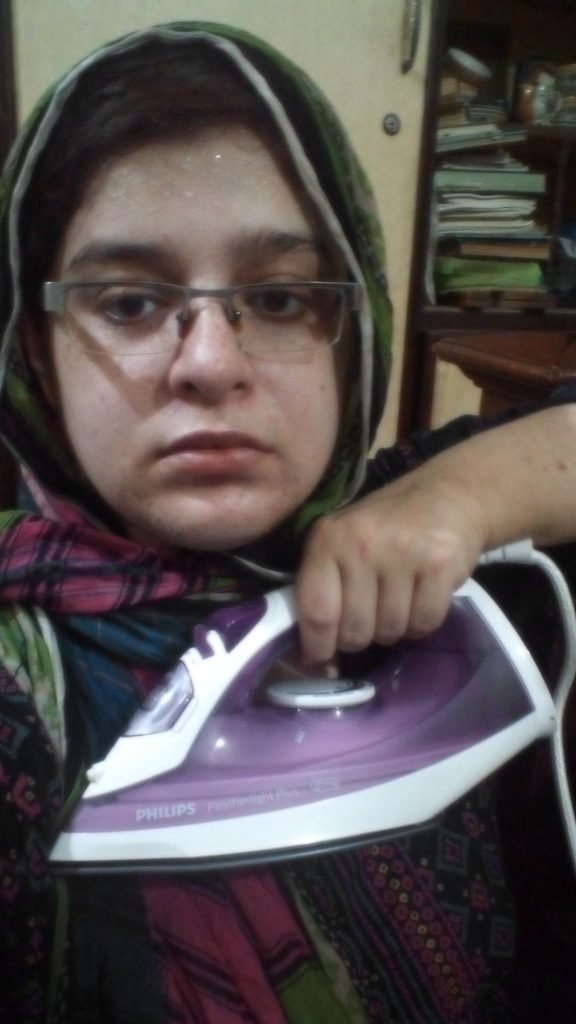
Anyway, before jumping to the steps to use a steam iron properly, I would like to show you the pics of my experience with Philips Steam Iron called Philips Featherlight Plus (GC1426/39). But bear in mind that the product is no longer manufactured by Philips. I regarded the pics as relevant, so I added them here.
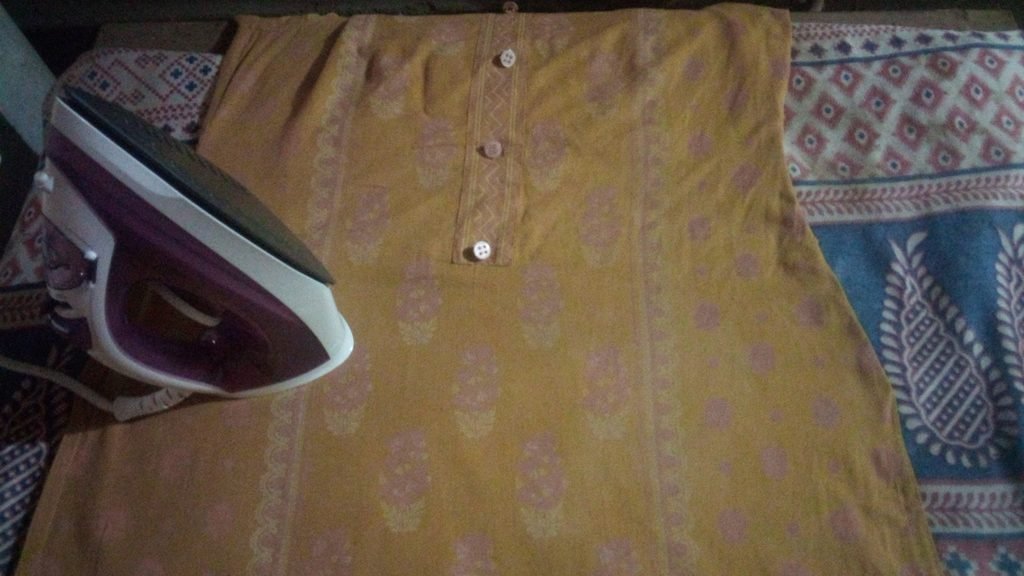
Steps to Apply a Steam Iron:
Follow the steps below to properly use a steam iron:
1. Check the Fabric Care Label:
You should check the fabric care label before turning on your steam iron. This label tells the reader whether the particular fabric can be ironed or not. Also, usually, it tells them which temperature range is suitable for that fabric.
Different fabrics require different heat levels for ironing. For example, cotton and linen can bear high temperatures while ironing, but synthetic fabrics (e.g., polyester) can be ironed at low temperatures only.
So if the fabric care label instructs that the user should not iron it, then you should not iron it to remove the creases. Apply other methods to remove them. You must follow the care label instructions on your fabrics to avoid issues. Otherwise, you would have to face permanent damage like shiny marks and scorch marks on the fabrics because of steam ironing.
2. Prepare the Steam Iron:
You have to check the steam iron before using it on your garments, for example. Yes, you have to make sure that the soleplate is adequately clean and does not have any burnt material or sticky residue.
Then, you have to check the power cord so that you could notice any visible damage, if present. If your cord, plug, or iron appears damaged, then please do not use the iron at all. Have it repaired by a technician or replace the appliance to fulfil your ironing requirements.
One more point. If your steam iron has a removable water tank, then you have to ensure that it is properly fitted to your iron before turning it on.
3. Set Up a Suitable Ironing Area:
You should use an ironing board that is stable and flat or manufacturer-approved. Plus, the surface of this board must be able to tolerate heat during the ironing process.
Then, keep the area surrounding the ironing board clear of all unnecessary items. Other items like plastic bottles and white papers must not be placed near the hot soleplate of your steam iron.
And you should also position your iron’s power cord in such a way that it could not interfere with your movements while you are steam ironing, for instance, your clothes.
4. Correctly Fill the Water Tank:
Keep in mind if you want to use the steam function of your steam iron, you should fill its water tank as per the manufacturer’s instructions.
So you should not fill the water tank beyond the maximum water level as mentioned on the iron. Because overfilling of the iron can cause water to leak from it.
And the type of water you can use for your steam iron depends on its model. For example, many steam irons are prepared in such a way that you can use ordinary tap water for their steaming process. However, for other irons, the manufacturers recommend filtered, distilled, or a particular mix of water in areas that provide hard water for everyday use. So always follow the instruction manual given with your particular steam iron instead of assuming that every steam iron has the same care instructions for users.
Also, generally, it is better to fill a steam iron’s tank with water while the iron is unplugged to avoid any accidental damage. You can do the opposite if the manufacturer states that the process is safe while the iron is plugged in.
5. Pick the Right Temperature:
Once you prepare your steam iron for your pressing work on a board, then you should choose a temperature that’s suitable for your fabric.
Well, a simple rule of thumb is that you should use your steam iron at a low temperature for fabrics you’re unsure about when it comes to the ironing temperature. And you can increase the temperature while ironing them if their care instruction label allows that. As an example, these synthetic fabrics generally require less heat for ironing. Other fabrics like linen and cotton require more heat for ironing. On the other hand, these delicate fabrics usually require careful temperature settings during the ironing process.
One more point. You should avoid using a high temperature setting in a steam iron to remove the creases quickly. Because such setting can damage, for example, your garments more rapidly than the extra ironing time.
6. Let the Iron Heat Up:
Now plug in your steam iron and let it heat up as per its required temperature. Well, a modern steam iron has an indicator light that lets a user know when the appliance is ready for use as a result of heating up. There are many modern steam irons in the market with this indicator light.
Plus, do not put the steam iron soleplate over your fabrics for pressing when the appliance is not completely heated up.
So once you’re sure that the iron is ready for use after preheating, then you should, for example, press your cotton shirts and trousers, as per their care label instructions.
7. Use the Steam Function Properly:
As we all know, steam helps remove wrinkles fast or makes your ironing work very simple. So it is helpful for fabrics, especially for those fabrics that can tolerate moisture and heat very well.
There are many steam irons that provide users with a steam burst function and continuous steam for ironing. Well, when it comes to removing stubborn wrinkles, you should apply the steam burst function. And when you’re ironing large sections of fabrics, you should use continuous steam for your pressing work.
But keep in mind that steam is not always reliable for pressing. Because there are many fabrics that cannot tolerate excessive moisture or steam.
And there are many steam irons in the market that allow users to do vertical steaming while pressing. This option can be useful for curtains and other fabric items that are created to be pressed with this method. Plus, bear in mind to keep the hot soleplate and steam away from your body during ironing.
8. Iron Fabrics in an Organised Order:
While steam ironing your fabrics, you should move the iron from the small to the large parts.
Suppose you have a shirt that you have to iron. You should start your ironing from the cuffs and collar. Then, move the iron towards the sleeves and the main body for pressing. Bear in mind to smooth the fabric with your hands before moving the iron over it to avoid extra creases.
While pressing, you should move the iron with regular breaks over other fabric areas instead of moving the iron over one area for a long duration.
In general, you do not need to press any fabric item too hard with your steam iron. Yes, that’s right. The combination of moisture, heat, and controlled movements should complete most of the ironing work for you.
Besides, for some garments (e.g., trousers), which have prominent wrinkles, you should follow their care or maintenance instructions while ironing them instead of creating additional wrinkles over them by accident.
9. Deal with Stubborn Creases Carefully (Optional):
During pressing, there are some stubborn wrinkles over fabrics that are not removed with one pass of a steam iron.
Therefore, you don’t have to increase your steam iron temperature to the maximum level during pressing to remove stubborn wrinkles. Instead, you should use an appropriate steam setting and move the iron in a controlled way over your fabrics to remove those wrinkles.
Then, there are some fabrics that can be turned inside out for pressing. Turning them inside out can assist in reducing the risk of shiny marks on them during pressing.
One more point. If a wrinkle is too stubborn, dampening the fabric can sometimes assist in removing it if the fabric care instructions allow dampening. However, using steam from your steam iron is usually more appropriate for removing such wrinkles from fabrics.
Now let me discuss:
Common Steam Iron Mistakes You Should Avoid:
Well, there are several mistakes that you should avoid to make your ironing effective and avoid damaging your fabrics:
Use of Excessive Heat:
Do not use excessive heat by thinking that high heat can produce better ironing results for you. Instead, follow the fabric care instructions while setting the steam iron temperature for your fabric.
Leaving the Iron in One Place:
You should not leave the soleplate of your steam iron on one area of your fabric for too long as this can damage or scorch it.
Overfilling of the Water Tank:
While filling the water tank of your steam iron with water, do not fill it beyond the maximum water line. Otherwise, this can affect the working of the steam function of the iron. Or the water might leak out of the iron. And, obviously, you wouldn’t want that to happen.
Use of Unsuitable Water:
You should never use unsuitable water for your steam iron. Always follow the manufacturer’s instructions regarding distilled, tap, or filtered water for your steam iron use.
Ironing of Stained Clothing:
You should not iron stained clothes. The reason is that several stains are more difficult to remove when exposed to heat. That’s why you should wash your clothes to remove those marks before ironing.
Ignoring the Iron Care Instructions:
Well, you should prefer the steam iron manufacturer’s care instructions for, for example, clothes, over the general ironing advice so that your clothes can remain protected.
Use of a Dirty Soleplate:
Also, you shouldn’t use a dirty steam iron soleplate to press your fabrics because the iron’s residue can be transferred onto your neat fabrics.
Lastly, let me discuss:
Cleaning and Storing the Steam Iron:
After your pressing work, you should unplug your steam iron and switch it off. And let it cool down before storing the appliance anywhere.
Generally, you have to throw the remaining water out of the steam iron after using the appliance. Because leaving this water inside the iron can lead to the accumulation of mineral deposits. Or this can cause other issues that would depend on the water quality and iron model.
Plus, if your steam iron has an anti-scale or self-cleaning option, then you should use it as per your iron brand’s instructions.
And keep your steam iron soleplate clean. You should also not place your hot iron on unreliable surfaces.
As a last tip, you should store your steam iron in a secure & dry place where your kids cannot access it, even by accident.
Conclusion:
So that is all what I have to share with you regarding how to use a steam iron properly. I hope you find my content advantageous. And if you really find it quite useful, then please share my post with your family, friends, and other connections. In this way, they can also learn the tips discussed in the blog post about using the steam iron properly.